
When I was young, I was shuffled to church most Sunday mornings. There a preacher yelled a sermon, each with a climax involving his front two fingers of his right hand jabbing downward, towards hell, I’m assuming, into the air all the while screaming “Whaddaya mean, preacher?!”
This culmination was to frighten everyone there. It was especially effective on the children.
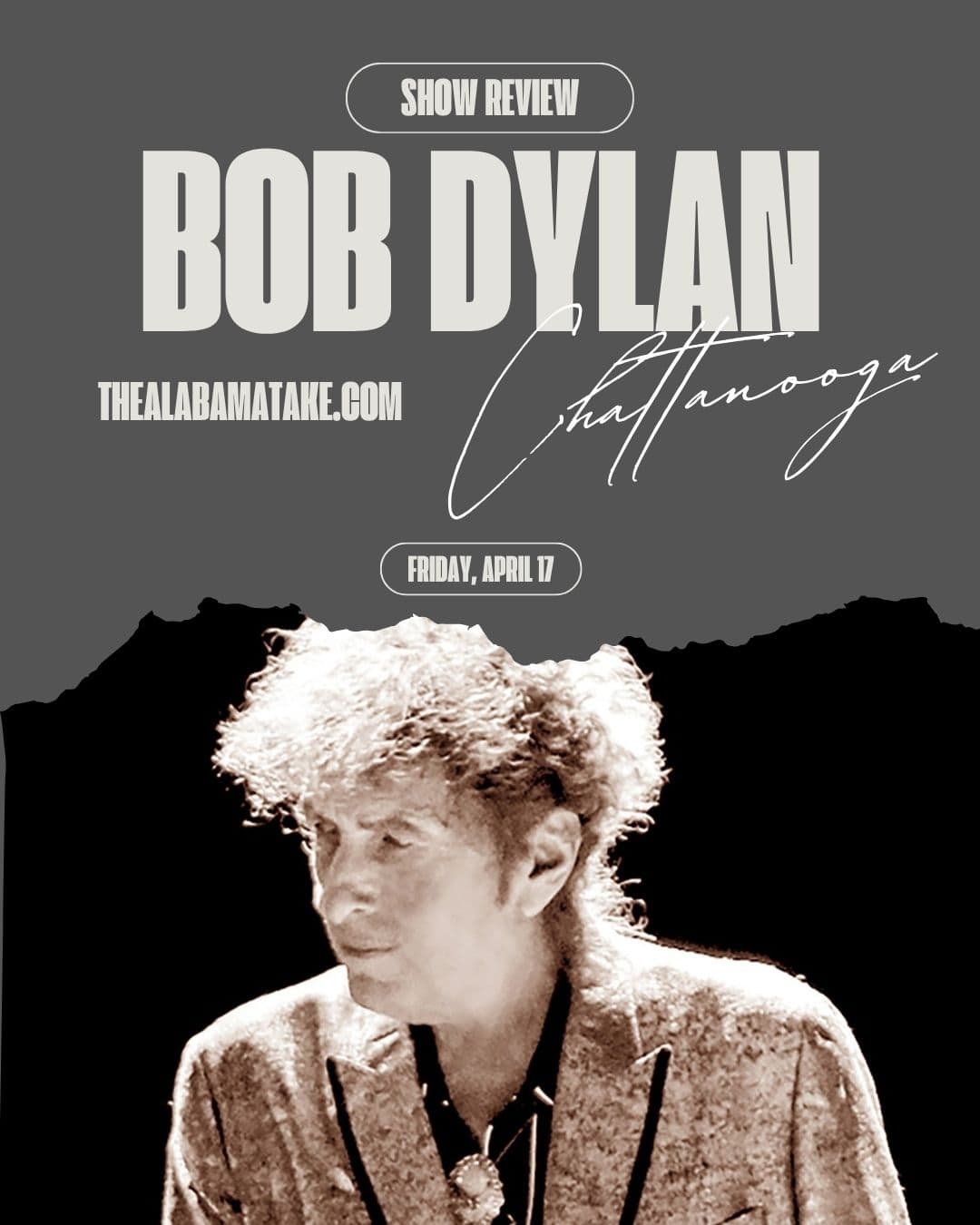
Bob Dylan’s show in Chattanooga on Friday night, April 17th, had him play a more subtle sermon.
Though he hasn’t tweaked the message like he does in years past, he still does not play, as some in the audience notes, “the hits” (Hits? What hits? His highest ranking single ever is “Murder Most Foul.”). Instead he sticks to the gospels of what he’s done in all shows this year for the Rough and Rowdy Ways tour, one that focuses heavily on albums from the last thirty years. Hardly “Murder Most Foul”; hardly the hits, either.
In their place was the start, perhaps the best beginning and most rehearsed Bob Dylan show I watched.
Anton Fig, first of the band tonight, pounds out a sole kick drum beat. Tony Garnier slides into one of his electric guitars of the night, which he’ll switch for another Fender in white and a gorgeous stand-up bass.. Bob Britt and Doug Lancio join near simultaneously as “To Be Alone With You” takes shape and rocks more toward Shadow Kingdom than Nashville Skyline in spite of the former city’s proximity. It’s also the second show in a row where both guitarists never remove their acoustics for any electricity. It matters not. Every note is clear and flawless, save for one movement where one guitarist slides from a D to an E in a now-Bm "Love Sick."
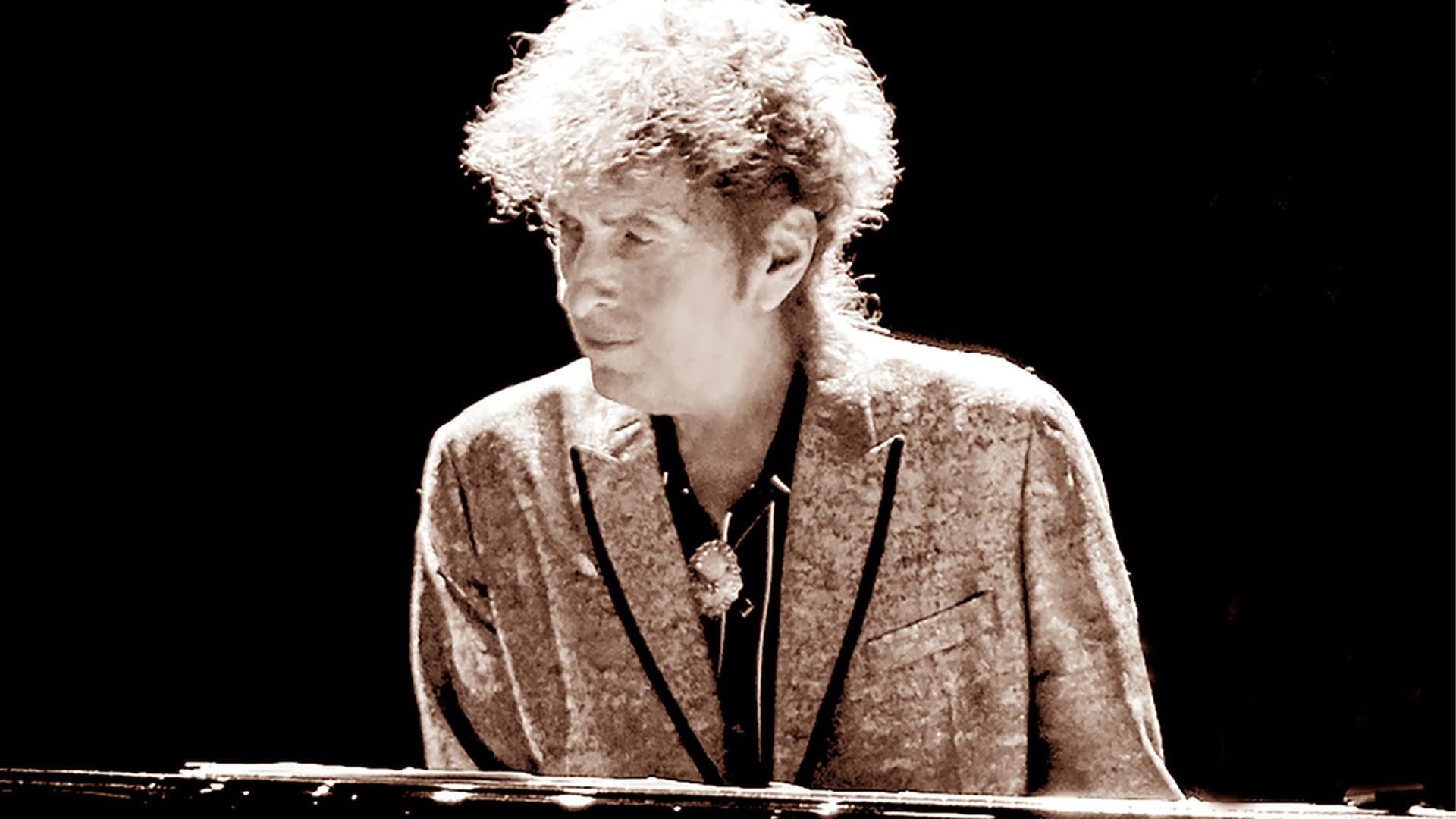
It’s the first of Dylan, though. Dylan clad in a robe of white. A closer inspection makes it appear as though he leads while wearing a Western shirt. After a few more songs, it may only be a nice, white rain jacket as he has the hood pulled up and over his head for the entirety of the night.
Then, the first highlight, moods shifting, shadow box playing its role, squeezing in the master, darkens the theater next. “Man In The Long Black Coat” struts, leaves audiences wanting more, has a lady turning to her husband in surprise. It’s less reworked and more ominous. The preacher comes. Something mystic, bible-thumping on its own needs no reconstruction.
“All Along The Watchtower” continues with barefoot servants and the audience’s delights, many find the rhythm, sing along in less campfire and more rollicking band in the moonlight. Dylan slips briefly into the more plunky piano, yet blends back into a melodious style which starts the show and continues soon. The version this evening manages to steer from major key chorus to minor key verses without unnecessarily stretching the holiness.
Dylan surprises many with “I Contain Multitues”: isn’t this too new to be revised? Covid was six years ago, damn near to the day. Less sixth notes and more major chords. The first dip, per audience’s reaction and timing, occurs with the next two — “False Prophet,” “Black Rider” — though both are played almost note perfect. Perhaps the keys sound too similar. Perhaps there will always be a mid-show spectator slump. No matter Dylan finds the Holy Grail. No matter that Dylan eats the flame.
If no one ever calls “Love Sick” a crowd pleaser, then it carries the moniker here: less revised and more of a key change down three full steps, still a minor where many others thrive in a major space. The biggest change on “Love Sick,” though, comes solely from a double time beat on the hi-hat via Fig. It’s enough to boost the song.
A few songs later and “I’ve Made Up My Mind To Give Myself To You” encapsulates the theme of the evening: the religious and sacred blend with the tender and profane. A projection of yearning, of desire, of quiet aching; in “Forgetful Heart” the second amazement – or maybe the third.
It’s not to take away from “When I Paint My Masterpiece,” it, too, nods more towards Shadow Kingdom than Greatest Hits Volume Two. Does anyone remember those greatest hits? “Masterpiece” outshines Shadow Kingdom with more melody and clearer structures early and often on the two guitars in place of the accordion and extra instrumentation. Those two guitars work better than a lot of Shadow Kingdom. The song has a clear punch.
It’s around here – maybe before, maybe after – that Dylan speaks to the crowd. It’s all he said all night to the congregation or the choir. He introduces the band moving from one guitar player, back to the drummer, to bass extraordinaire, then to the second guitarist. Tony Garnier gets the most reaction. This, after the audience stays on beat for “Cross the Rubicon.”
“Soon After Midnight” hallelujahes the same template of softness, but it gives this attendant a big smile to hear one from one of his favorite albums in this period. (For the record, in the last thirty years for me, it’s Time Out of Mind, Tempest, and Rough and Rowdy Ways, in that order.)
It’s around here – maybe before, maybe after – that Dylan speaks to the crowd.
Dylan may overhaul the entire set tomorrow, but “Every Grain of Sand” works as a beautiful and well played closer, a reminder that there is a power out there, wherever it is.
It is a starry evening of wonder and miracles, where the purity of the songs holds sway as he sings clearly, distinctly, using his microphone placement to perfection.
Dylan knows what to do and he knows the members of his congregation. “Have a seat, take in the show, we’ll rock some times or swaddle you with thought,” he all but says tonight with his approach to each number.
His people satiated, Dylan appears to enjoy the final stand of applause as he gives more than a few nods.
A lot of this evening’s show seems to be Dylan insisting on everyone leaning closer: no opening band, the curtains boxing him in, the guitarists only play acoustic, Dylan’s hood always on, his station on stage more back than front, an occasional word he sings into the mic too far away.
He didn’t have to yell. He never did preach. He didn’t even speak to the band. He feigned no questions.
For no one asked what this preacher meant.